The Matt Marks Impact Fund offers up to $7,500 seed money to begin development on exciting, ambitious projects with Alarm Will Sound that have potential to make significant cultural and social impact. The goal with each project is to attract additional funders and stakeholders to bring the project to full fruition.
Click here for the Application FAQ
Projects that are groundbreaking and unconventional, or composers who are unknown and under-represented, often go unsupported because traditional funders may see them as too risky. Yet these risks often have the potential for the greatest impact because they change the ways we make music and the people we make music with. Alarm Will Sound is committed to making that change in our field.
Innovation, experimentation, unconventionality, and uncertainty can make it difficult to find stakeholders for a project, especially before it exists. Within the established system for funding new commissions, support often goes to well-established practices and artists. There are also systemic roadblocks, especially when it comes to under-represented artists. Finding support for new work is a difficult chicken-egg problem: funding goes to composers and work with an established track record, but establishing a track record needs funding. Furthermore, commissions are linked to high-stakes premieres which discourage taking risks on unconventional or unknown work. Through the Matt Marks Impact Fund, we will break this cycle: workshops and performances will be a concrete opportunity to demonstrate the artistic value of work supported by the fund.
We want to expand the stylistic and demographic diversity of our work and working relationships because we believe that art remains relevant when it reflects the society in which we live and that it makes a difference when it transforms how we experience the world.
PAST RECIPIENTS
ALYSSA PYPER – CRADLE
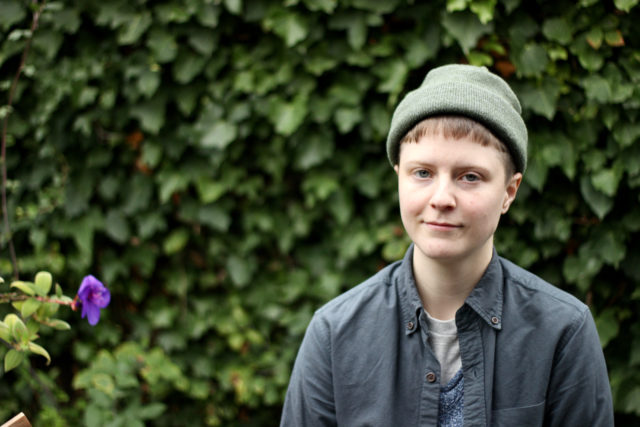
Alyssa Pyper received support from the Matt Marks Impact Fund to develop Cradle, a work that grapples with her experiences as a lesbian, gender-nonconforming woman of Mormon descent. Through the support of the MMIF, Cradle grew into a twenty-minute work that features Pyper playing violin and singing with Alarm Will Sound.
About Cradle, Pyper says:
“I come from a people who wish I did not exist. I was raised in a culture that kept me hidden from myself.
“I wrote Cradle while still living in Utah as a way to hold myself when no one else would. I wrote this music in response to breaches of nurture, by way of blood and betrayal.
“This music comes from my body; originally written using voice, violin, and loop pedal, it has now found a home with the thoughtful, resonant musicians of Alarm Will Sound. I am grateful for the container they hold – I no longer having to hold myself alone.
“The arc of Cradle follows my voice; ensemble members hold drones or fragments of texture; at times, they peel melodic notes from my entwined vocal and violin melody. This simulates a dual sense of holding and fracture, or holding amidst fracture. Due to the way ensemble members respond to my live vocal performance, no two performances of Cradle will never be the same.”
Pyper’s recording of Cradle with Alarm Will Sound is available from Cantaloupe Music.
ALLISON LOGGINS-HULL AND TOSHI REAGON – LOVE ALWAYS
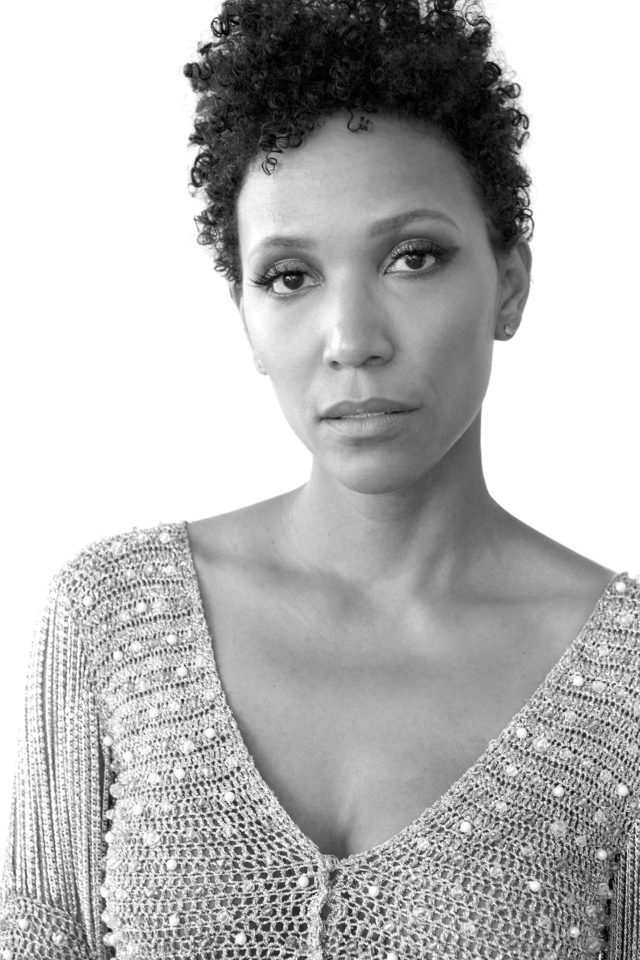
Love Always is a song cycle co-created by Allison Loggins-Hull and Toshi Reagon, commissioned by Alarm Will Sound through the Matt Marks Impact Fund. The work is rooted in long-standing African-American traditions of elders writing letters to their children, and of storytelling through music, conversation, and listening. Love Always was premiered in December 2022 at the Clarice Smith Performing Arts Center at the University of Maryland.
Inspired by James Baldwin’s, The Fire Next Time, and Ta-Nehisi Coates’s, Between the World and Me, Allison composed “Special Boy,” which is both a letter to her son as well as a call for the kind of understanding that would allow her son to navigate through this world. Toshi composed a 3-piece song cycle opening with “3’T’s.” It is an abstract exploration of the lines connecting three Toshi’s: Toshi Aline Ohta Seeger, Godmother to Toshi Reagon, and Toshi Georgianna Widoff Woodson, Goddaughter to Toshi Reagon. It covers over 100 years grounded in the birth of Toshi Seeger in 1922. “If You Ask About Love (I’ll Tell You Everything)” once again bends time and gives voice to our ancestors who lived through the horrors of the trans-Atlantic slave trade and the United States of America hundreds of years of slavery. Black love technology survived. The final song, “From the People of Grace (Dedicated to Greg Tate)” is a prayer. It comes from Toshi’s understanding that she belonged because of the love her people extended to her every time they looked into her eyes. Critic, author, and musician Greg Tate passed away on December 7th, 2021.
Caroline Louise Miller – Here-There
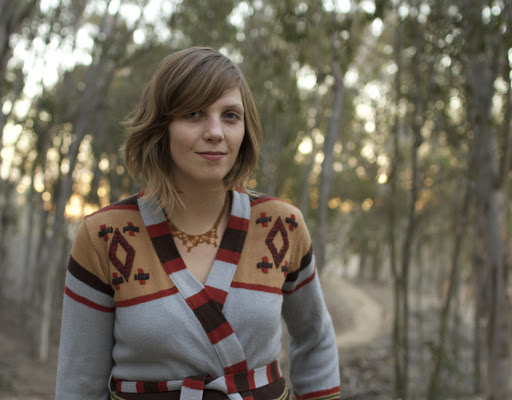
Through the support of the Matt Marks Impact Fund, Caroline Louise Miller collaborated with Alarm Will Sound on Here-There, a 30-minute work for chamber orchestra and video that, through the subject of the train, explores complex historical relationships among movement, desire, and industrial infrastructure. Miller and videographer Stefani Byrd weave together film, music videos, interviews, sampled sounds, and a live acoustic score that moves between everyday and epic, industrial and scenic, serenity and anxiety, connection and loneliness, noise and silence. Miller incorporates improvised material created by AWS musicians into the score in reaction to specific locations.
Miller says,
“Humans share a common condition: patterns of movement and stasis throughout our lives, whether physical, mental, or emotional. Around the need for movement, we have constructed systems that transport us, and create spaces of limbo where we wait. To wait is to have one’s trajectory suspended, sometimes a painful interim, at other times meditative. The melancholy of being the only person on a far-flung platform at night is balanced by the rush of exiting into a bustling hub at peak hours. We may make many such movements, or sometimes migrations, throughout our lives. Physical journeys or stillnesses are intimately entangled with need, survival, and desire. What happens when we must move, but desire to stay… or must stay, but desire to move? What about when our desires align with our movements? In Here-There, these themes are examined through the lens of train travel, in which movement, stillness, and desire are inflected by economic and social histories.
“The train in the city is often considered an undesirable, noisy necessity, and gets tucked away with other “undesirable” zones—under (ground), above (ground), behind (buildings), around (outskirts). The train seals us into its trajectory, only allowing our release at particular nodes; thus we see industrial relics, hidden canyons, and construction sites hidden behind strip malls. We observe graffiti on elevated billboards at close range, and notice the designs people choose for their backyard fences. If we ride into the countryside or wilderness, the journey becomes more scenic in a traditional sense—the oft-romanticized aspect of train travel. While industrial landscapes and ruins embed labor and the passage of time, containing echoes of the hands and voices of those who came and left, oceans, meadows, and mountains are often construed as indelible.”
“Roseville,” an excerpt from Here-There, premiered at the Sonic Matter Festival in Zurich, Switzerland, in December 2021.
Rohan Chander (aka Bakudi Scream) – My prayers Are Made of Silicon
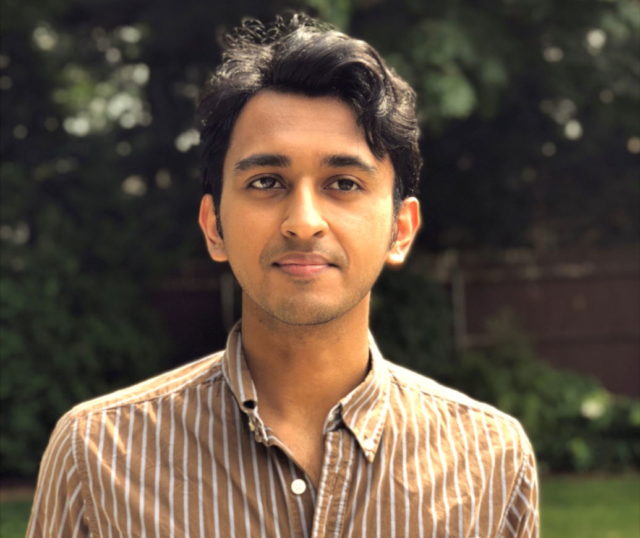
In My Prayers Are Made of Silicon, Rohan Chander explores the relationship between religion and technology through extended rituals, secularization/sacralization theories, violence, and their related sociological models. Through the support of the Matt Marks Impact Fund, Chander is able to develop this, his most ambitious and longest project to date.
The piece takes form through a mythos that is recursively informed by a series of interconnected but differing rituals. Each ritual is performed by the ensemble, and within that, each ensemble member plays a specific role. These roles are prescribed by a set of dramaturgic rules. The underlying mythos tells a history of a society, much further in the future, that has undergone a massive revolution in religiosity. What happens to a society when they have the knowledge and technology to confirm an existence of God? What happens when that God is not what they thought it was? The subsequent series of events that unfold stem from these questions and are told through a series of absurd monologues, each monologue from a different perspective. There is no vocalist as such– rather, the narrative is recounted by a computer-generated/sampled bodiless voice, and is often presented towards the end of a ritual. The relationship between the bodiless, historically-speaking voice and the ritual is the main dramatic force driving the work, at times presented in tandem, as opposites, or as abstractions of each other.
The ultimate goal is to create the feeling of an independent religious space, one that is entirely distinctive from the world around it.’
Damon Davis – Ligeia Mare
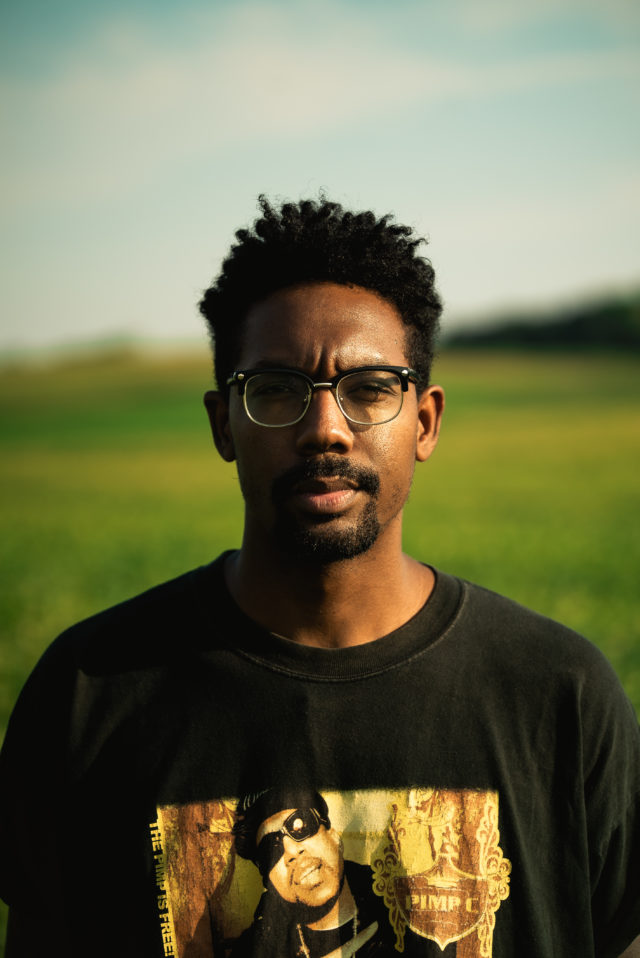
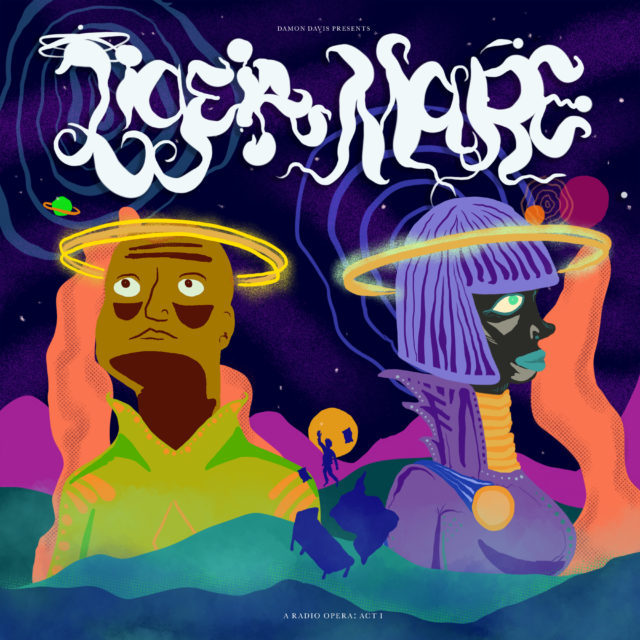
Ligeia Mare is a science fiction electronic fantasy opera written and composed by Damon Davis, performed by Alarm Will Sound with guest vocalists, and supported by the Matt Marks Impact Fund. The work tells the story of Cosmo, an awkward adolescent with a special gift of astral projection while dreaming. After discovering this power, Cosmo’s jazz pianist father, Cassius, falls ill with brain cancer. Due to this ailment, Cassius begins to proclaim that he is actually from Saturn and had forgotten during his crash landing on Earth decades earlier. Amidst all of this, Cosmo’s mother Joyce, desperately fights to keep her family afloat while dealing with Cassius’ illness and Cosmo’s overactive imagination. Cosmo believes the key to saving his father’s life is somewhere in the stars, he just has to dream his way through them to find it. As Cosmo travels the galaxy night after night, the real world and the dream world begin to blur together. In these nightly excursions, Cosmo finds power in the dream world that escapes him in the real one. Cosmo discovers who he truly is in this dreamland and builds his own myths that turn out to be true. In this way, Ligeia Mare is a story of how myths can be a doorway to self-knowledge and reclaiming one’s identity, and how we can find power in our own self-discovery.
Brittany j. Green – glitch
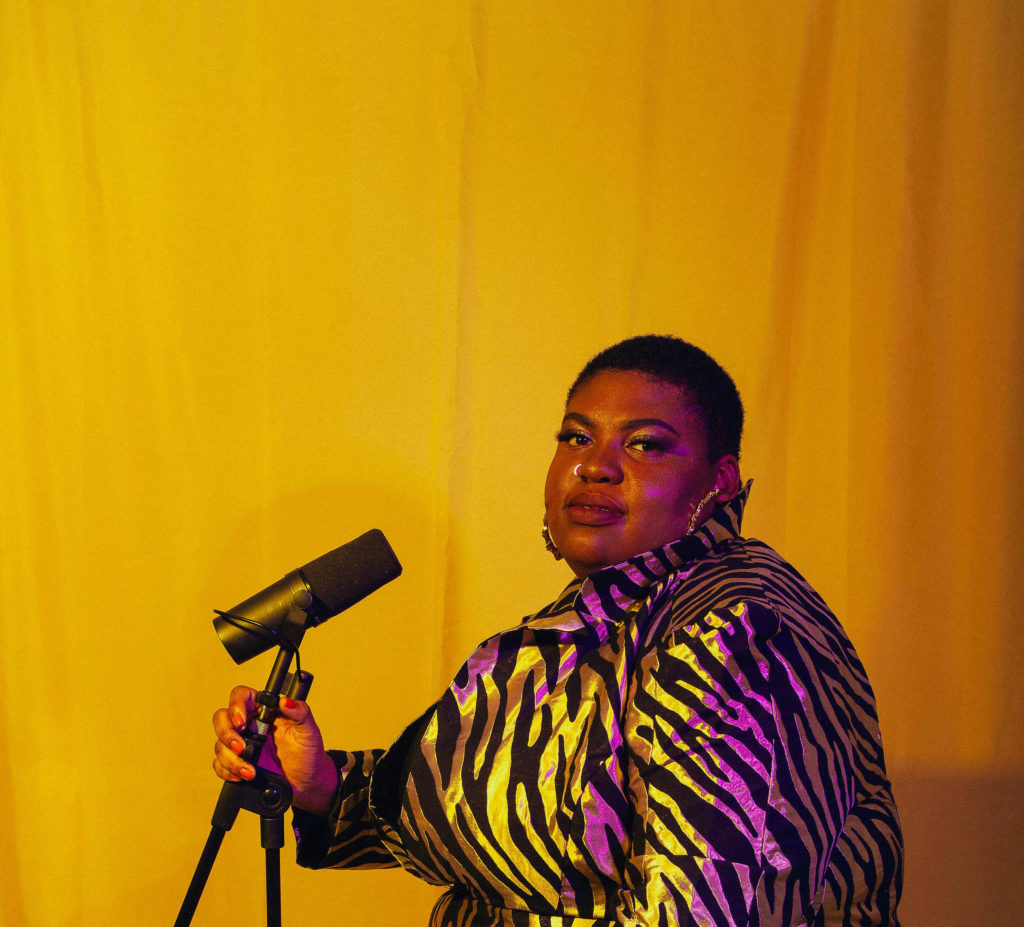
In Glitch, Green plans to explore concepts of power, censorship, and control. The musicians of Alarm Will Sound will perform material dictated to them, in real time, by a computer program. Green states, “Performers will have the option to ignore the program’s performance instructions and improvise instead, either in defiance of the program or in an attempt to influence the will of the computer and control what others are performing.” Glitch will blur the lines between consent, control, and coercion and explore ways in which technology and our intersecting identities inform and mediate one another. Green will perform narration with Alarm Will Sound for Glitch.
Nnux (Ana E. López) – Nébula
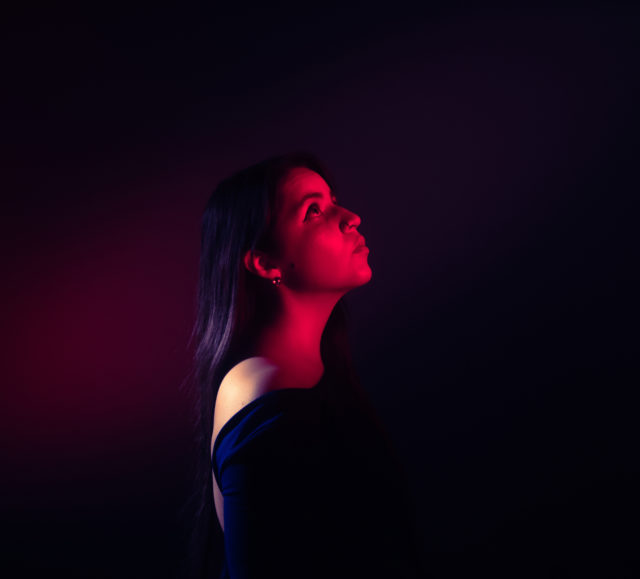
Nnux (Ana E. López) is developing a multimedia project that examines the relation between science and myth. López will “create a narrative that juxtaposes creation myths from various cultures with the knowledge science has given us about planet and star formation.” She will link these to explore ideas such as cyclic transformations, creation, destruction and reconstruction. Particularly interesting to López is the connection between these cosmic concepts and the physical violence that is routinely perpetrated against women, especially in her home country of Mexico. She will use electronic landscapes built from organic sound samples (voices and nature) to create a transformative musical experience emphasizing shifting motives, improvisation and sound textures that transform gradually. López will perform with Alarm Will Sound in this piece as a narrator and singer.
Sanaya ardeshir (sandunes) – Tower of Silence
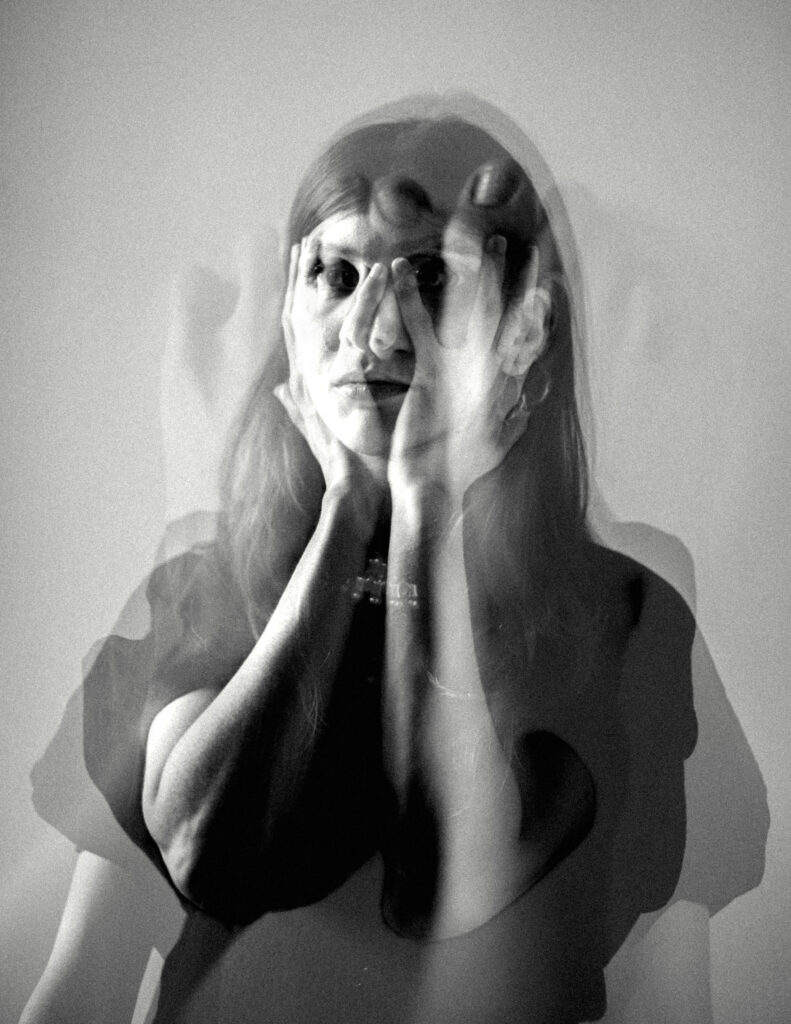
In Tower of Silence, Ardeshir explores the intersection of ancient Parsi funerary traditions, ecological crisis, and ancestral connection. The work takes its name from the Dakhma—structures where vultures consume the flesh of the deceased as part of sacred Zoroastrian ritual. The Parsi community, descendants of Persian refugees who migrated to the Indian subcontinent following the Arab-Islamic conquest of Iran in the 7th century, now numbers fewer than 200,000 worldwide. For this community, vultures served as intermediaries between life and death, essential participants in their final earthly ritual. Yet since the 1990s, these birds have experienced the sharpest population decline of any species ever recorded, poisoned by the veterinary painkiller diclofenac in cattle carcasses. Ardeshir reimagines the Towers as portals where ancestors can be called upon not only to guide the souls of the deceased, but also to care for the spirits of the birds whose disappearance has come at immense ecological cost. Alarm Will Sound premiered Tower of Silence at the University of Missouri in 2026.
Paul swartzel – schizophrenia in a time of bullshit
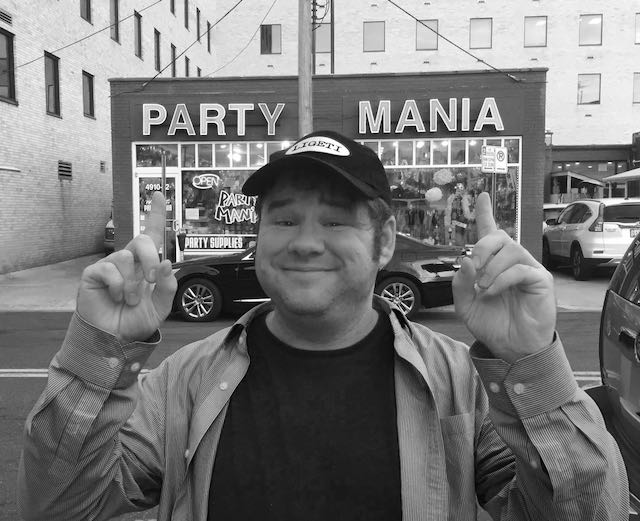
In Schizophrenia in a Time of Bullshit, Swartzel draws on his experiences living with schizoaffective disorder to create an unflinching yet deeply humorous exploration of mental health, stigma, and the human condition. The work takes the form of a chamber concerto for speaker, prepared piano, and chamber orchestra, combining storytelling, music, and visual elements to offer an intimate portrayal of life with a psychotic disorder. “I want to create something that humanizes the experiences of those living with severe mental illness,” Swartzel says. “I’m trying to find humor and connection to help end the stigma.” Alarm Will Sound will perform Schizophrenia in a Time of Bullshit with Swartzel as soloist.
The honorable elizabeth a baker – Elemental weaving
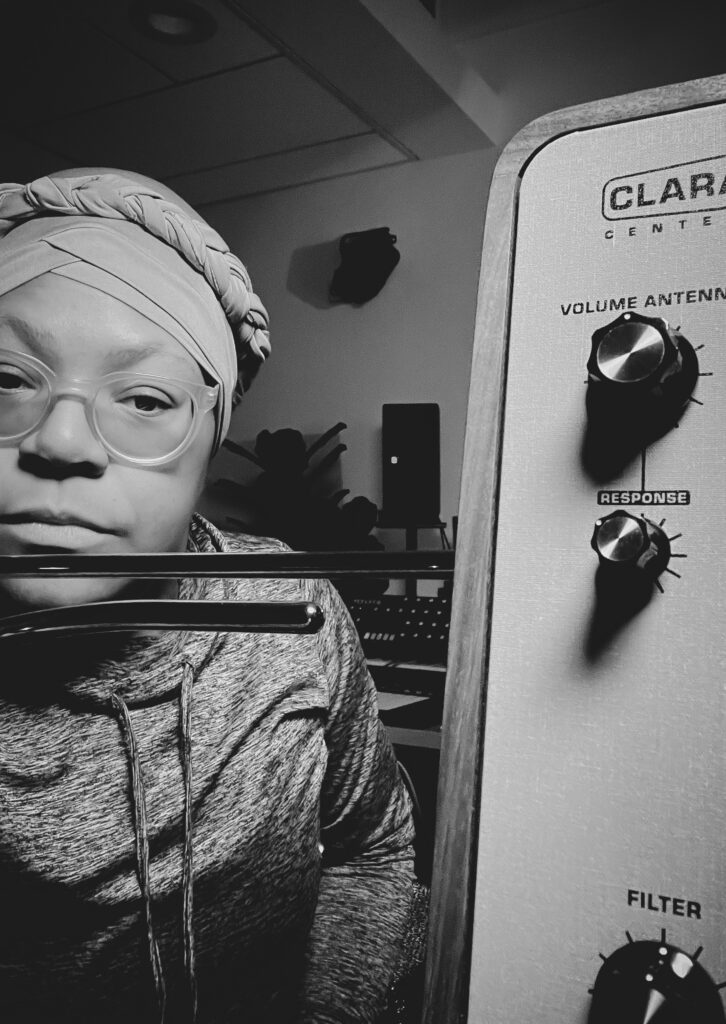
In Elemental Weaving, Baker creates a contemplative and immersive multimedia experience that invites meditation on perspective, vision, self-inquiry, and identity. The work explores new modes of musical communication through in-ear audio and large print glyph graphics designed for performers with low vision, expanding possibilities for accessible performance practice. Paired with dialogue and Bahareh Khoshooee’s moving image contribution, Elemental Weaving invites viewers into a fragmented, relational experience of vision where projection and the body become sites of rupture, recognition, and collective perception.
cory hills – frankie the otter
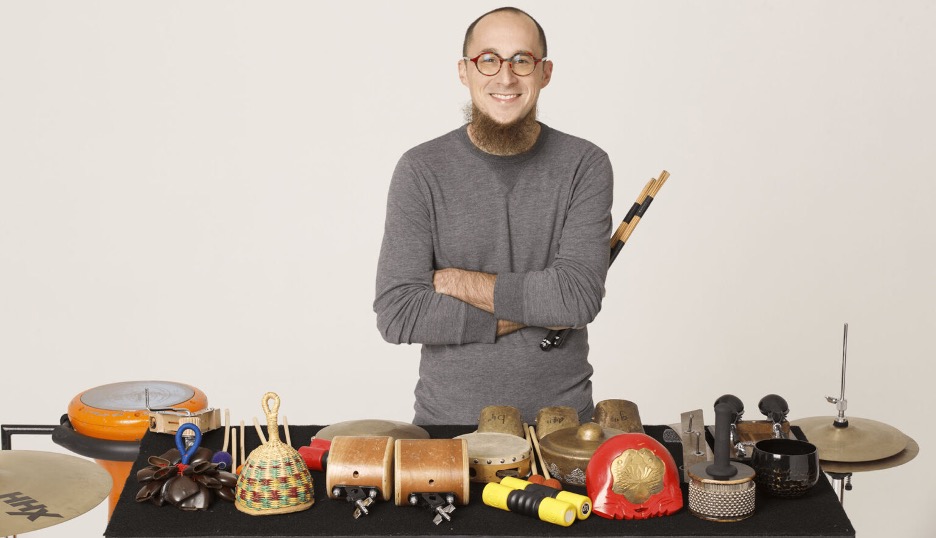
Frankie the Otter is a multidisciplinary work for chamber ensemble and narrator designed for families with children. The piece is a chamber music realization of Percussive Storytelling, a program created by Hills that fuses vocal storytelling with solo percussion music. Inspired by works such as Prokofiev’s Peter and the Wolf, Saint-Saëns’ Carnival of the Animals, and Britten’s Young Person’s Guide to the Orchestra, Frankie the Otter aims to increase accessible and educational artistic content for young audiences. Alarm Will Sound will perform Frankie the Otter with Hills as narrator.
About Matt Marks
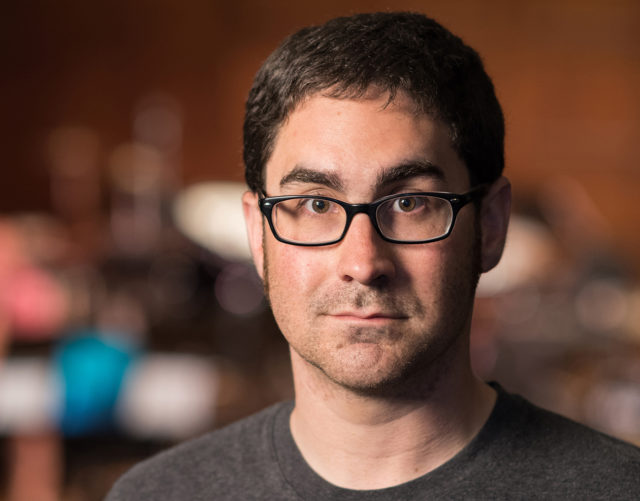
Matt spent the last week of his life in St. Louis rehearsing, performing, and recording with his friends of Alarm Will Sound, many of whom he had known for twenty years. As a founding member, his incredibly broad knowledge of music was a great asset, introducing us to unique artists and bizarre tunes we never would have come into contact with otherwise. Matt was passionate about expanding the boundaries of classical music through stylistic diversity and the inclusion of artists who have been historically excluded from our field. He was integral to the formation of Alarm Will Sound’s identity, and his work as a performer, composer, and community organizer extended his impact.
The Matt Marks Impact Fund will be a living memorial that embodies his values and continues to push Alarm Will Sound — and the entire field of classical music — to be more innovative, diverse, and inclusive.
Contributors to the fund
| Truman & Beth Bullard | Kathleen Aeschliman | Barry Hoggard & James Wagner | Allan Atlas |
| Daniel Baldini | Robert Beck | Carol Bellamy | Skookie & Sandy Bernsen |
| David Bloom | Jessica Bonatakis | Andrew Boscardin | Hale Bradt |
| Leah Branstetter | Adrienne Bryant Godwin | Luciano Chessa | Mike Clayville |
| Anna Clyne | Kurt Doles | Arlene & Larry Dunn | Noam Faingold |
| John & Karen Ferry | Sandra Flesher | Stefan Freund | Don & Sandra Freund |
| Louise Fristensky | Heather Gardner | Aaron Given | Bruce Gordon |
| Rachel Hands | Patrick Hargon | Phillip Harmon | Paula Harper |
| Molly Herron | Andrew Hitz | Gretchen Horlacher | Steven Juliani |
| Jordan Kessler | Olivia Kieffer | Texu Kim | Eddie Kohler |
| Lilli Komurek | Phoebe Lam | Anne Lanzilotti | Arthur Leonard |
| Mont & Karen Levy | Shaya Lyon | Mary Madigan | Henrietta & Jerry Marks |
| Olivia Marlowe-Giovetti | William T. McKenney | Dan Mellott | Lauren & Walter Melnikow |
| Paul Melnikow | Anthony Miano | Richard Mitnick | Tracy Monaghan |
| Peggy Monastra and Steve Osgood | Mio Nakamura | Jeremy Olsen | John E Parker |
| Penelope Pi-sunyer | Elaine & Edward Pierson | David Plylar | Robert Pound |
| Howard & Marianna Price | Ian Quinn | John Pickford Richards | Courtney Ruckman |
| John Saults | Val Schaffner | Justus Schlichting | Garrett Schumann |
| Omri Shimron | Eileen Shin & Roger Chen | Greg Simon | Robert Simonds |
| Robert Sirota | Geoff & Minou Spradley | Robert Stanton | Jude Stewart |
| Caitlin Sullivan | Odile & Fred Tompkins | Annie Toth | Jason Varvaro |
| Jon Patrick Walker | Annette Westfall | Peter Wise |